Airbnb Hosting Mistakes: 12 Mistakes and How to Fix Them
Airbnb hosting mistakes rarely come from a lack of effort. They come from missing systems: unclear instructions, inconsistent cleaning, “set-and-forget” pricing, and assumptions about insurance or policies.
This post is a practical list of common Airbnb hosting mistakes (and fixes) you can implement without reinventing your workflow.
How we built this list (and what we mean by “mistake”)
This is not a compilation of private interviews. It is a synthesis of:
- How Airbnb asks guests to evaluate stays (rating categories). See Airbnb’s Ratings for homes.
- What Airbnb publishes as host quality expectations. See What’s expected of hosts and Maintaining quality.
- Common patterns hosts discuss in public forums (for example, “common mistakes” threads in the Airbnb Community).
In this post, a “mistake” means: a decision that predictably increases guest friction, host workload, or review risk.
Mistake #1: Treating cleaning like a one-person memory task
What happens: you clean “pretty well” until a rushed turnover creates a miss guests can’t unsee. Cleanliness is something guests explicitly rate. See Ratings for homes.
Fix:
- Use a written checklist (and a fast “last 5 minutes” sweep).
- If you use cleaners, standardize expectations with photos and a reset list.
- Take timestamped post-clean photos of high-scrutiny areas (bathroom, kitchen, beds).
Mistake #2: Pricing for your costs instead of the market
What happens: you pick a nightly rate that “needs to work,” then wonder why bookings are slow or inconsistent.
Fix:
- Use a pricing cadence (at least quarterly) instead of “set once and forget.”
- Anchor around demand spikes (events/holidays) and minimum stays.
- Use Airbnb’s pricing controls to keep your strategy intentional. See Controlling your pricing.
Mistake #3: Assuming homeowner’s insurance covers short-term rentals
What happens: a claim (damage, liability, guest injury) becomes a painful learning moment.
Fix:
- Confirm (in writing) what your policy covers for short-term renting.
- Consider purpose-built short-term rental coverage. A practical primer: Nolo on insurance questions for short-term rentals.
Mistake #4: Not documenting your property condition
What happens: you can’t prove what was damaged, when it happened, or what “normal” looked like.
Fix:
- Create a quick photo routine after each turnover (same angles each time).
- Keep a simple log for maintenance and replacements (date, cost, what changed).
Mistake #5: Saying “yes” to every refund request
What happens: you train guests that pressure works, and you end up handling more conflict (and less trust).
Fix:
- Set expectations early (house rules, quiet hours, what you can and can’t do).
- Use clear policies and stick to them consistently.
Mistake #6: Relying on a single platform for demand
What happens: a slow month or an algorithm shift feels like a crisis.
Fix:
- Diversify thoughtfully (while keeping operations consistent).
- Keep your core systems (guide, check-in flow, turnover checklist) platform-agnostic.
Mistake #7: Ignoring neighbors (until you need them)
What happens: a noise complaint turns into a hostile relationship you could have avoided.
Fix:
- Set proactive expectations (quiet hours, parking, trash).
- Introduce yourself and share a contact method for issues.
Mistake #8: Assuming guests will “figure it out”
What happens: you get repeat messages about the same basics (WiFi, parking, trash, thermostat).
Fix:
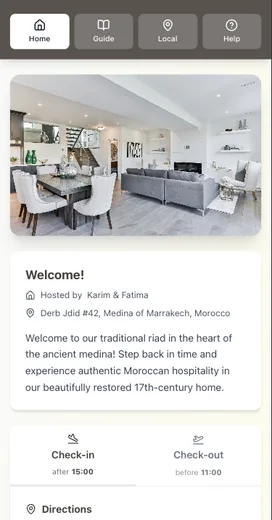
- Put “first 10 minutes” info in one scannable place (check-in steps, WiFi, parking).
- Use short bullets and photos where it helps.
Mistake #9: Optimizing for one long booking instead of your review base
What happens: you delay building review volume and system confidence early on.
Fix:
- In your early months, prioritize a repeatable experience and review momentum.
- Keep standards consistent so each new review reinforces the last.
Mistake #10: Setting pricing once and never revisiting it
What happens: you miss demand spikes and leave money on the table (or price too high and go empty).
Fix:
- Review and adjust seasonally (quarterly is a good baseline).
- Use Airbnb pricing controls intentionally. See Controlling your pricing.
Mistake #11: Not responding to reviews (especially the “almost 5-star” ones)
What happens: you miss a chance to show future guests that you listen and improve.
Fix:
- Respond briefly and professionally, especially when feedback is actionable.
- Turn repeat feedback into a checklist item.
Mistake #12: Writing rules that feel hostile (or unclear)
What happens: guests feel policed, or they miss the rule entirely.
Fix:
- Write rules in plain language, with “why” when helpful.
- Put the highest-impact rules (noise, parking, pets, smoking) in the most visible place.
The common thread
Most Airbnb hosting mistakes come from assumptions:
- Assuming guests will read a long paragraph
- Assuming your “normal” is obvious to someone arriving at 10pm
- Assuming you’ll remember to update instructions when something changes
The fix is always the same: replace memory with systems.
Conclusion
Airbnb hosting mistakes are almost always fixable because they’re usually about clarity and consistency - not expensive upgrades. Pick one mistake from this list, build one small system (a checklist, a guide section, a saved reply), and your hosting gets easier from there.
Key takeaways:
- Cleanliness, check-in, and communication are the highest-leverage basics. See Ratings for homes.
- Documentation protects you when something goes wrong (and helps you standardize quality).
- Pricing and policies work best on a schedule, not on vibes.
- Most “bad guest” stories start as missing expectations and missing systems.
If you want a simple starting point, create one digital guide that answers repeat questions once. Learn how to create your first digital guide, then pair it with a turnover checklist and a quarterly review.
Related:
- Airbnb Host Time Breakdown: Where Your Hosting Hours Go
- Airbnb Hosting Year in Review: A Simple Template
- The Superhost Secret Weapon: What Top Hosts Do Differently
Resources
Related posts
- The Superhost Secret Weapon: What Top Hosts Do Differently
- How to Become Airbnb Superhost: A 4.8+ Ratings Playbook
- Airbnb Host Time Breakdown: Where Your Hosting Hours Go
- Airbnb Hosting Year in Review: A Simple Template