Airbnb Peak Season Preparation: A Month-by-Month Guide
Airbnb peak season preparation does not sneak up on good hosts. It gets planned for, week by week, with small actions that add up to fewer guest questions, better reviews, and higher occupancy.
This month-by-month guide gives you a simple rhythm to follow. It is designed for individual hosts with 1–2 properties who need clarity, not complexity.
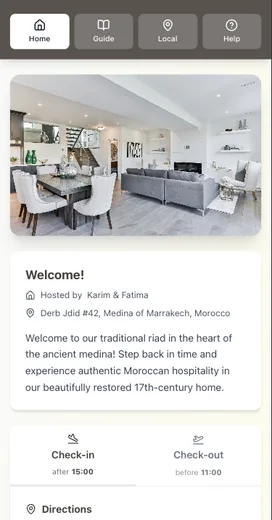
How we built this month-by-month plan
This guide is built around three practical inputs:
- Pricing cadence (quarterly updates as a baseline, plus holiday spikes).
- Operational reality (maintenance, deep cleaning, turnover standards).
- Guest friction points (check-in, WiFi, house basics, checkout).
Use it as a repeatable system - not a one-time “peak season sprint.”
A quick rule before you start
Airbnb’s own data shows that listings that update prices at least four times per year get 30%+ more nights booked. If you do nothing else, price updates each quarter are your baseline. See Airbnb’s pricing guidance for hosts.
Pull quote: “Peak season success is mostly about timing. Four price updates a year is the floor.”
Month-by-month Airbnb peak season prep
Use this as a template. If you are in the Southern Hemisphere (AU/NZ), flip the summer and winter notes.
January: reset and rebuild the foundation
- Review your best and worst reviews from the past year.
- Update listing photos if anything changed (furniture, outdoor areas).
- Refresh your guide with a simple “first 10 minutes” section.
- Book any deep cleaning or maintenance before spring demand ramps.
February: lock in spring readiness
- Test locks, keypad batteries, and backup entry methods.
- Add a short pre-arrival message with the three most common questions.
- Review cancellation settings and minimum stay rules for busy weekends.
March: spring demand warm-up
- Check local event calendars for March–May.
- Adjust pricing rules for long weekends.
- Confirm outdoor amenities (grill, patio, yard lighting) are guest-ready.
April: spring break and shoulder season clarity
- Make check-in instructions visual (photos or a 30-second walkthrough).
- Add a “local favorites” list for last-minute planners.
- Confirm your cleaning checklist covers pollen, windows, and outdoor areas.
May: pre-summer prep
- Stock summer essentials: extra towels, fans, sunscreen basket.
- Update house rules for summer parties and noise expectations.
- Revisit pricing for holiday weekends.
June: peak season launch
- Tighten your turnover checklist for high-volume weeks.
- Add a quick troubleshooting section (WiFi, TV, thermostat).
- Set a mid-stay check-in message to catch issues early.
July: consistency beats intensity
- Hold standards even when busy: clean, clear, predictable.
- Verify that your WiFi and streaming instructions are still accurate.
- Pre-block time for repairs to avoid last-minute cancellations.
August: maintain momentum
- Rotate linens and replace anything that is tired.
- Refresh your local guide with seasonal activities.
- Watch booking lead times and adjust minimum stays if needed.
September: fall shoulder season tuning
- Add fall comfort touches (blankets, warm lighting, tea/coffee).
- Review your pricing for long weekends and local festivals.
- Update listing text to match seasonal photos.
October: prepare for holiday peaks
- Inspect heating systems and replace filters.
- Add clear guidance for late check-ins and dark arrivals.
- Confirm safety items: smoke/CO detectors, flashlights, first aid.
November: holiday readiness
- Simplify checkout instructions for busy travel days.
- Add “parking and arrival stress” tips for guests traveling with family.
- Set messaging templates for early/late check-in requests.
December: finish strong and plan ahead
- Keep holiday decor minimal and easy to reset.
- Prepare a one-page holiday checklist for cleaners.
- Schedule your January reset week now.
Holiday anchors by region (2026)
If your demand spikes around long weekends, use official calendars to plan pricing and minimum stays. These are examples; always verify local and state/province dates.
- United States (federal holidays): Office of Personnel Management publishes the official 2026 calendar.
- United Kingdom (bank holidays): GOV.UK lists England and Wales dates (Scotland and Northern Ireland differ).
- Canada (public holidays): Canada Revenue Agency provides the 2026 list.
- Australia (public holidays): Fair Work Ombudsman lists national and state holidays and notes substitute days.
- New Zealand (public holidays): Govt.nz publishes national holiday dates for 2026.
Pull quote: “Holiday calendars are pricing calendars.”
Peak season checklist (print this)
60–90 days before:
- Update pricing and minimum stays
- Refresh listing photos and guide content
- Schedule maintenance and deep cleaning
30 days before:
- Confirm check-in instructions are crystal clear
- Stock seasonal essentials
- Review messages and templates
During peak:
- Keep standards consistent
- Respond fast, but don’t over-message
- Document any issues for later fixes
Want to make this feel lighter next season?
A digital welcome guide turns repeat questions into one clean source of truth. If you want a practical starting point, read the Superhost Secret Weapon guide or How to Become Airbnb Superhost: A 4.8+ Ratings Playbook.
Conclusion
Airbnb peak season preparation is mostly a timing game: update pricing on a schedule, fix friction before guests arrive, and use holiday calendars to plan minimum stays. Do small monthly actions and you avoid the last-minute scramble that makes hosting stressful.
Key takeaways:
- Peak season prep is a calendar habit, not a last-minute scramble.
- Quarterly price updates are a proven baseline for booking performance.
- Holiday calendars help you plan demand spikes and minimum stays.
- Small monthly actions create big seasonal wins.
If you want fewer messages during peak weeks, centralize check-in, WiFi, and house basics in one guide guests can open anytime. Be My Guest helps you keep your guide up to date without reprinting or re-sending long messages.
Resources
Related posts
- The Superhost Secret Weapon: What Top Hosts Do Differently
- How to Become Airbnb Superhost: A 4.8+ Ratings Playbook
- Airbnb Hosting Mistakes: 12 Mistakes and How to Fix Them
- Five-Star Airbnb Reviews: What 1,000 Reviews Reveal